We use cookies to provide the best experience on our website. To learn more about how we use cookies, please see our Cookie Policy. You can manage your preferences now on this banner, or via your browser at anytime.
Renting your first property can be very daunting as it may be your first time moving out of home or you may need to relocate for work so we are here for you at every step of the way.
We have put together a short guide for first time renters covering a few key points that you need to take into account.
If you would like some advice or to have a chat with one of our specialists then call or pop into your local branch.
You can also check out the government's How To Rent guide.
Don't rush into letting, do your homework, know your budget, the area you want and your requirements and ensure the landlord or agent has a good reputation.
What is your reason for moving, affordability & desired location.
Have a clear view of what your timescales are and any possible limitations, like current notice periods.
Look at local letting agents websites in your area such as Lawlors and register for early property alerts. Talk to friends and colleagues who live in the area and check local information.
At Lawlors we always welcome the opportunity to talk to all our customers so drop in for a coffee and a chat about the market anytime. Meet our people, talk through your needs and register with us.
Make time to view all the properties that you're interested in. In the current market we are finding that some properties are reserved at the first viewing so you will need to be prepared to proceed quickly with your application.
When you're at the viewing make sure you take the time to have a good look round. Check the water pressure, find out how the heating works, check the size of the fridge, etc. If you're viewing a property and the previous tenants are still living there, make sure you know what's included and what belongs to them.
A number of landlords will leave the day to day management to the estate agent so they will deal with any maintenance issues on your behalf. Other landlords will manage the property themselves. It's good to know how your property is managed so you're aware of who to contact if there's a problem.
Complete these and return with original photographic identification and proof of address (e.g. utility bill)
Your referencing will be processed taking approximately 7 working days and you will receive the terms agreed in writing. Lawlors will call you to discuss the outcome of the referencing.
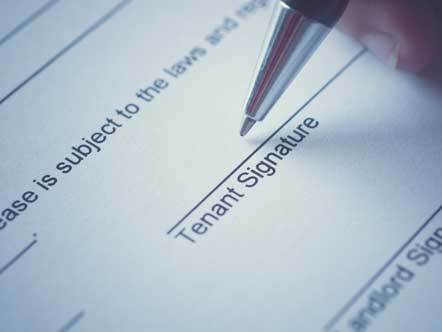
You will receive the tenancy agreement before the start of the tenancy and we must receive the deposit in our bank account before the tenancy starts.
Once the agreement has been signed and the standing order set up you may collect the keys on the day your tenancy commences. Lawlors will provide you with the Energy Performance certificate, the Landlords Gas safety certificate (if relevant), contact details for your property and any emergency contractors details.
When you have moved in, Lawlors will send your proof of deposit registration for you to check, sign and return.
If the property you are renting is managed by Lawlors we will be carrying out property visits.
If your tenancy is an Assured Periodic Tenancy (check your contract) then it will continue on an ongoing basis unless you or the landlord decide to end it in line with the law, so there is no need for renewal.
You must give at least 2 months notice before moving out, unless otherwise stated by your agreement (landlords cannot ask for more than 2 months notice).
At Lawlors we use Docusign Digital Transaction Management to get most of our paperwork signed. Docusign is the global standard for digitally signing documents without ever having to print them out. It is legally recognised and documents can be received, read and signed from any device connected to the internet, anywhere in the world.
You will be sent an email when your paperwork is ready and with just a few clicks or taps you can open, review and sign your documents. The completed legal copy is returned when all parties have signed and completed their part.
Most tenancies prior to the Renters' Rights Act 2025 were Assured Shorthold Tenancy agreements, those have now automically transitioned to Assured Periodic Tenancies. The key difference being that they're no longer for a fixed period of time, they just roll on until either the tenant ends it (with a minimum of 2 months notice), or the landlord ends it (under reasonable grounds).
The maximum notice a landlord can ask for is 2 months, if your contract does not specify a notice period, then you must give at least 2 months notice.
At the end of your tenancy the property must be returned in the same condition, allowing for reasonable wear and tear.
The deposit is placed in a deposit protection scheme. The deposit legally belongs to the tenant. If the landlord needs to deduct any amount of the deposit to cover costs, they must provide proof that they have incurred that loss (e.g. invoice for cleaning).
Your deposit will be returned if:
If there is a dispute, the deposit protection scheme will provide a free resolution service.